
- 3/6/2026
- 2 minute read
FullJoin in .NET 11 - potentially
We have Join. We have LeftJoin. We have RightJoin. But somehow we still don't have a proper full outer join in LINQ. That might come soon!
We have Join. We have LeftJoin. We have RightJoin. But somehow we still don't have a proper full outer join in LINQ. That might come soon!
Long title - short intro? Well - I recently came across my own stupidity and wanted to display that to the world. Basically, how to dynamically selecting a column with Entity Framework.
IAsyncEnumerable is a type that was introduced in netcoreapp3.1 times. While somewhat an enumerable (even though async in nature), it never had the capabilities as its synchronous counterpart. Until dotnet 10! Now we have some feature-parity between those two.
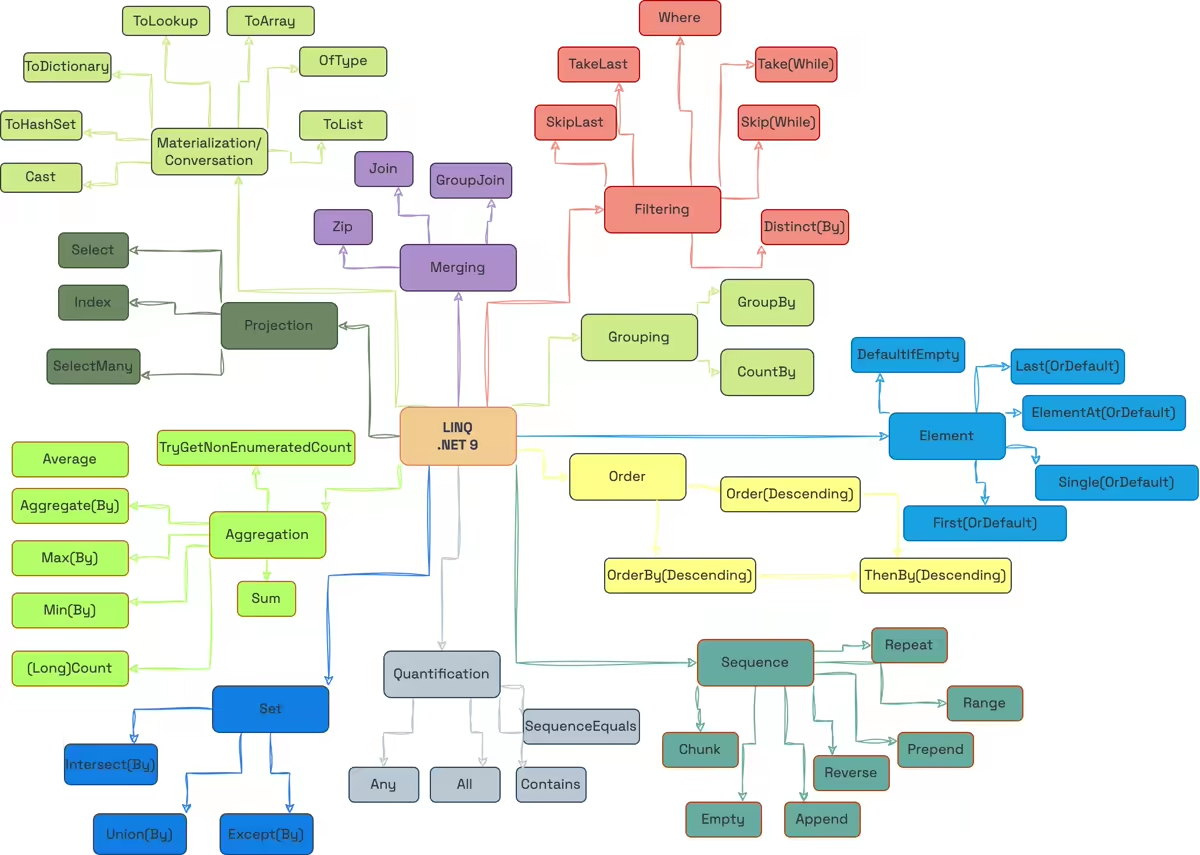
Very small update - as the work on .NET 10 starts - or better - continues with full force, I did update the LINQ MindMap.
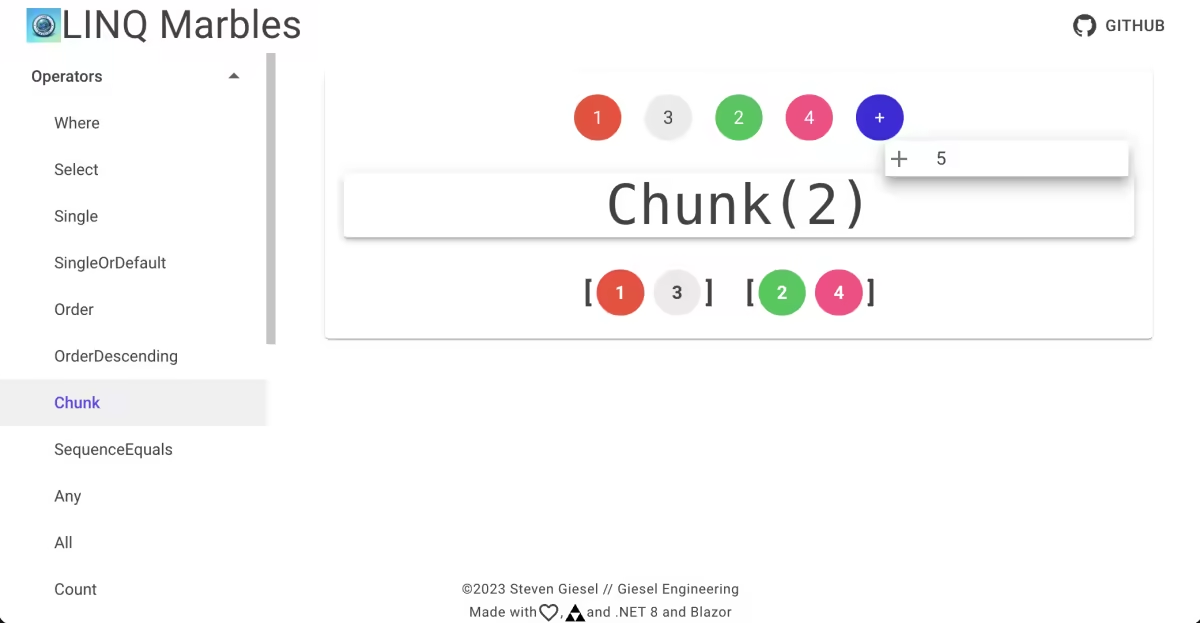
LINQ (Language Integrated Query) is a powerful feature of C# that allows you to query data from different data sources. It is a must-have skill for every C# developer. That is why I created: https://linqmarbles.info/
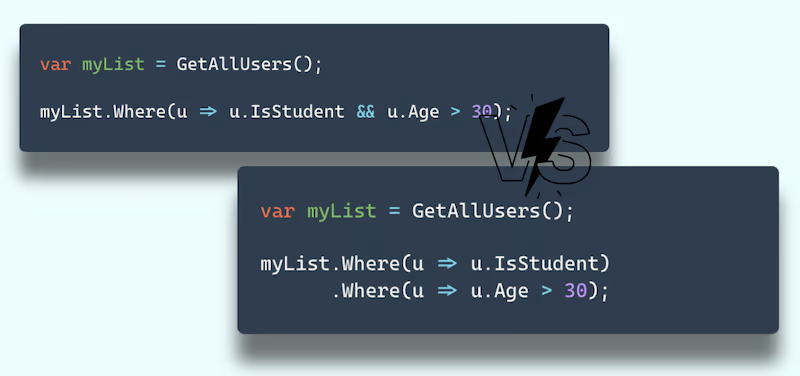
LINQ is a very powerful tool for querying data. As the majority of functions are built on top of IEnumerable<T> and it, in most cases returns IEnumerable<T> as well, it is very easy to chain multiple functions together. That leaves you with a question: which one should I use, Select.Where or Where.Select?
In this blog post, we will explore the use of SIMD instructions to speed up LINQ queries. We will use the Vector
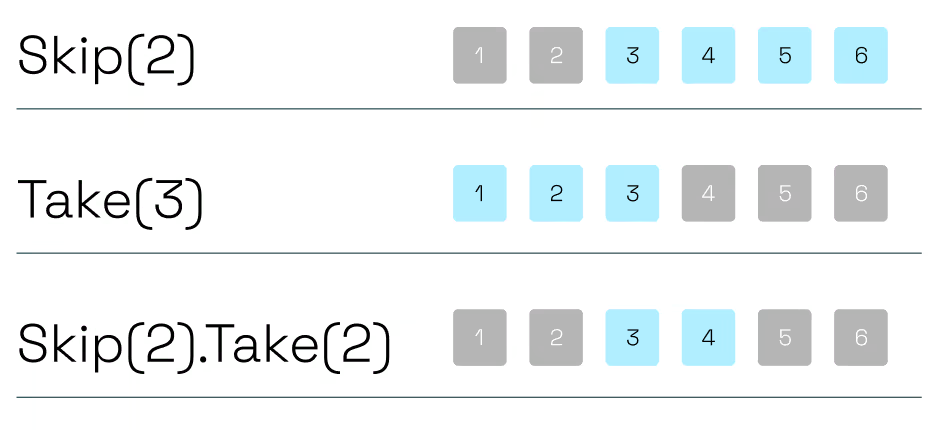
Skip and Take are used for pagination or limit the number of elements returned by a query.
Since C# 8 you can use Take with a Range. Let's see some examples.
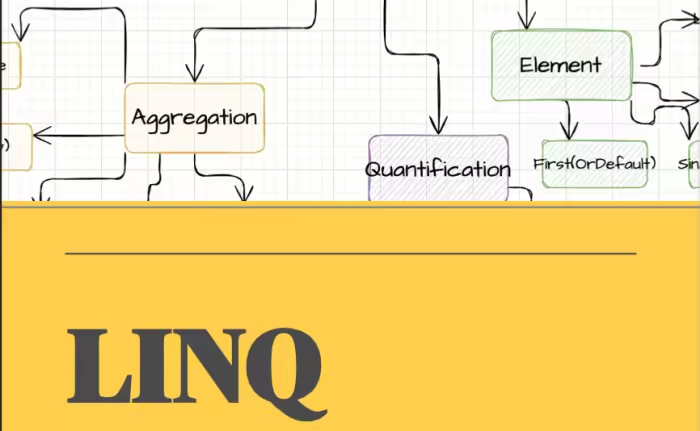
After covering and collecting multiple parts of LINQ explained with sketches I bundled them all together in a small booklet with more explanation and code samples.
Therefore I present: LINQ explained with sketches - the eBook. Over 30 pages with smaller explanations and more LINQ operations than in my last post. Litte Bonus: There are interactive links with smaller examples to fiddle around with.

Often times it is easier to have a nice illustration at hand, which explains you things the easy way. So let's do this for a lot of LINQ operations like Where, Select and friends.
Of course a small explanation will be attached as well.